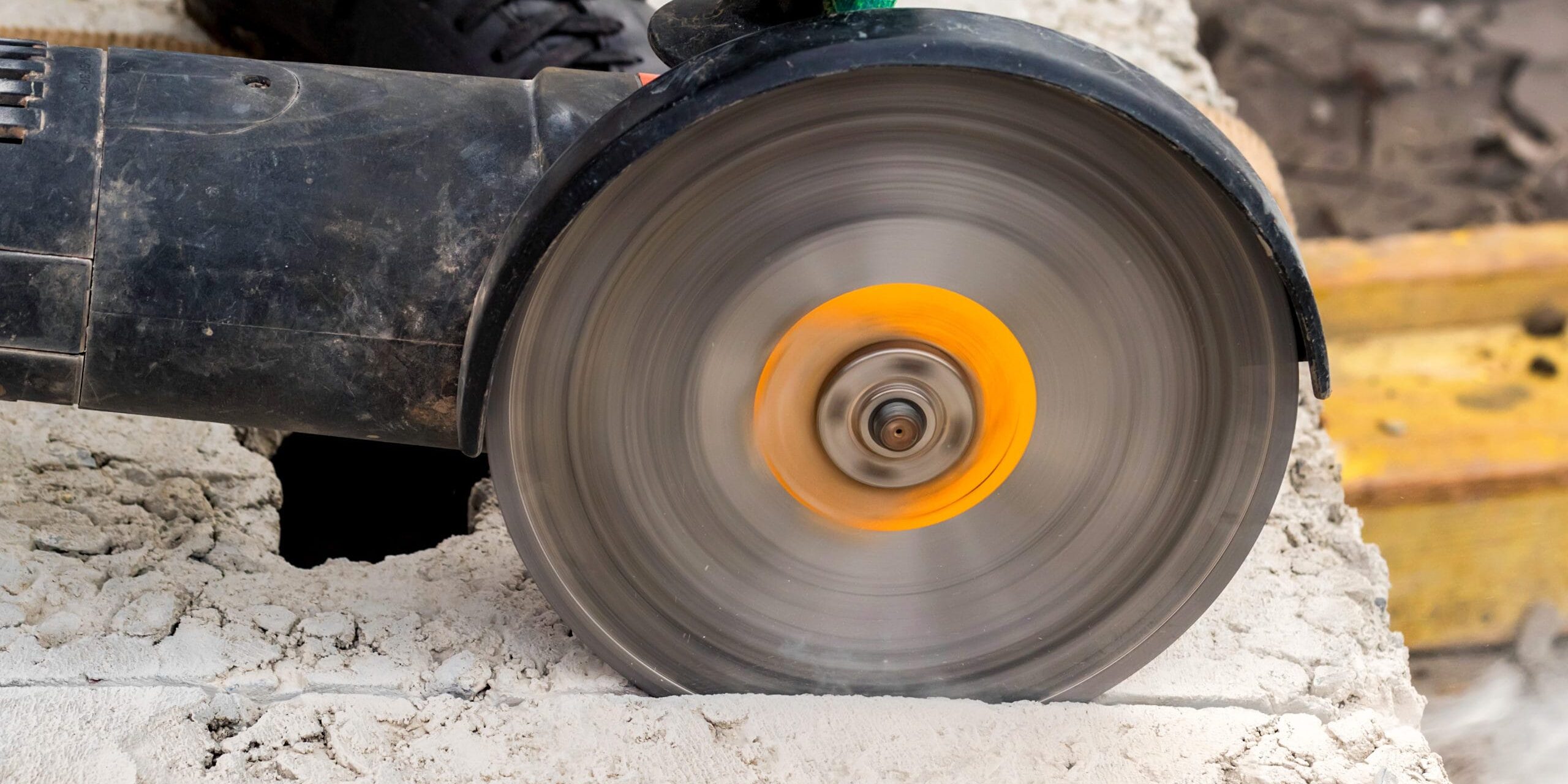
When people hear “demolition,” it is easy to picture an excavator bringing down an entire structure. In reality, many construction, renovation, and repair projects require a much more targeted approach. Sometimes the goal is not to remove a building or even an entire wall, but to create an opening, modify an existing structure, or remove one specific section without disturbing everything around it. That is where specialty cutting comes in. When comparing concrete saw cutting vs. demolition in Colorado Springs, think of it as the difference between using a scalpel and a sledgehammer. Precision saw-cutting, core drilling, and torch cutting allow contractors to address specific materials and areas while preserving surrounding construction.
Precision Saw-Cutting for Controlled Concrete Removal
Concrete saw-cutting is useful when a project requires straight, clean cuts through slabs, walls, pavement, or other concrete surfaces. Instead of breaking apart a larger area and rebuilding what did not need to be removed, saw-cutting establishes defined boundaries around the work area. This can make it an effective solution for creating door and window openings, cutting expansion joints, opening utility trenches, modifying concrete slabs, or preparing an area for selective concrete removal. It can also help reduce unnecessary disturbance to adjacent surfaces, which is especially valuable during remodels and tenant improvements. Saw-cutting does not replace demolition in every situation. If a slab, wall, or structure needs to be removed completely, broader demolition methods may be more practical. When only a defined portion needs to change, however, precision cutting can keep the scope focused.
Core Drilling for Utility Openings
Where saw-cutting excels at straight lines and larger openings, core drilling specializes in precise, circular penetrations. Core drilling for utility openings can create pathways through concrete and masonry for plumbing, electrical conduit, HVAC lines, communications infrastructure, and other building systems. Core drilling removes a cylindrical section of material rather than breaking apart the surrounding surface. This produces a controlled opening with relatively little disruption, making the technique useful when contractors need to route new utilities through an existing building. For renovation and retrofit projects, that precision can be particularly important. Existing floors and walls may need to remain largely intact while new mechanical or utility systems are installed.
Precision Torch Cutting for Steel and Metal
Concrete is only part of the specialty-cutting equation. Structural steel, reinforcing components, pipes, equipment, and other metals may also require controlled removal. Precision torch cutting of steel structures allows crews to separate metal components at specific locations instead of relying on more aggressive removal methods. Depending on project conditions, it can be useful during partial structural demolition, equipment removal, steel modifications, and certain fire-damage cleanup projects where compromised metal components need to be separated and removed. Because torch cutting introduces heat, sparks, and fire hazards, it requires careful planning and appropriate safety precautions, particularly around combustible materials or fire-damaged structures.
Choosing Specialty Cutting vs. Demolition
The right approach ultimately comes down to what needs to remain after the work is complete. If you need a clean opening through a concrete wall or slab, saw-cutting may be appropriate. If you need a circular penetration for utilities, consider core drilling. If steel components require controlled separation, torch cutting may provide the necessary precision. If an entire wall, slab, building section, or structure needs to go, partial or full demolition is often the more practical solution. For selective remodels and tenant improvements, specialty cutting can also reduce the amount of material that must be removed and replaced. That can translate into a more focused scope, less disruption, and potentially shorter project timelines and lower overall costs than unnecessarily demolishing a larger area. Iron Mountain Demolition works with contractors and property owners throughout Colorado Springs to determine the right removal strategy for the job. From precision cutting and selective demolition to larger-scale structural removal, choosing the appropriate method helps keep the project focused on exactly what needs to change—and what needs to stay.