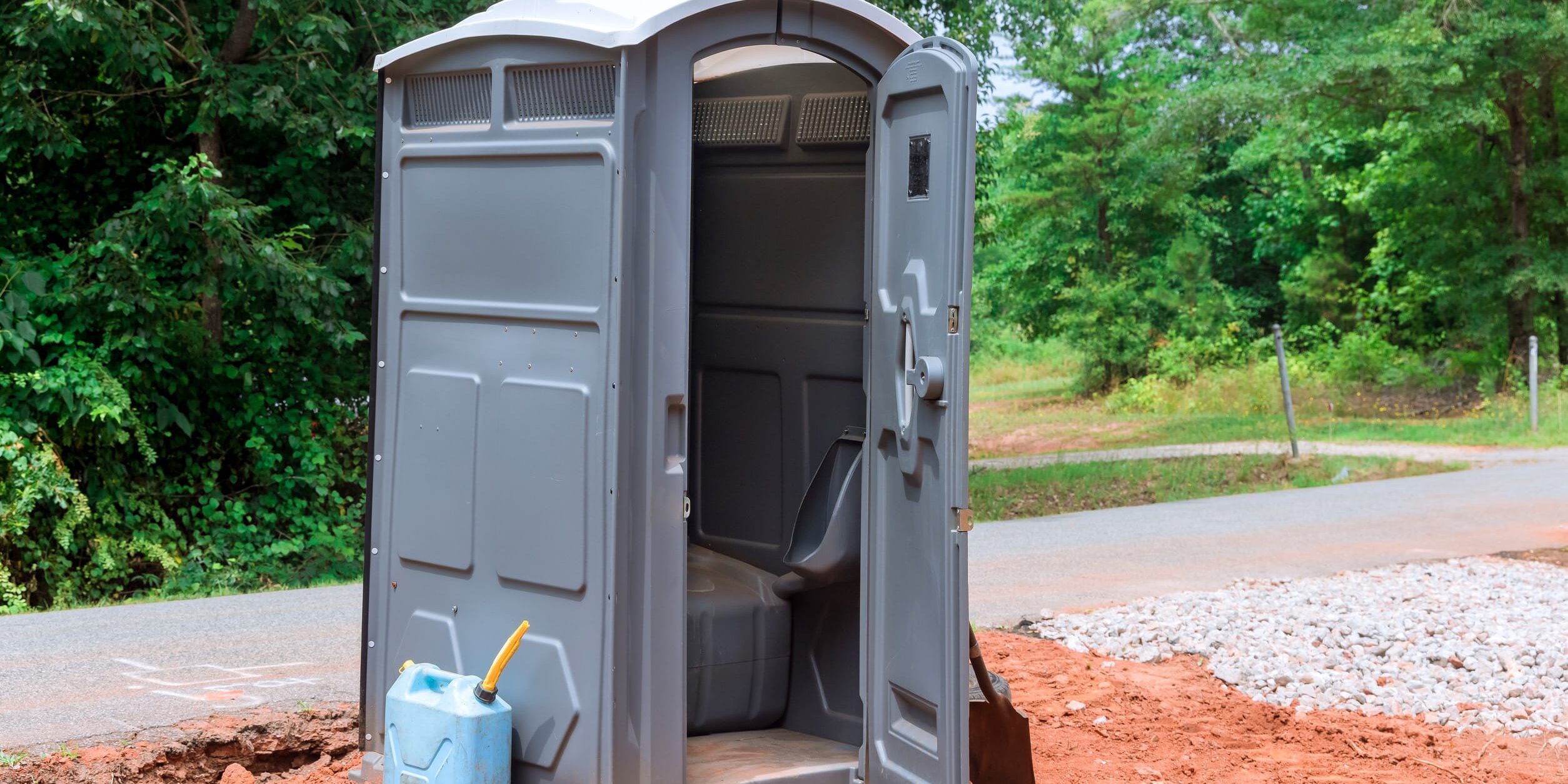
Portable restrooms may not be the first item contractors think about when preparing a construction or demolition site, but proper sanitation is an important part of job-site planning. Waiting until crews are already mobilized can create unnecessary problems, from inconvenient working conditions to potential compliance concerns. Arranging a portable toilet rental for a construction site in Colorado Springs ahead of time helps ensure facilities are ready when workers arrive.
The right setup depends on more than simply ordering a unit and placing it wherever space is available. Crew size, project duration, accessibility, servicing schedules, and site layout should all be considered before work begins.
Understanding OSHA Sanitation Requirements for Construction
OSHA’s construction sanitation standard, 29 CFR 1926.51, establishes minimum toilet requirements for employees on construction sites. For 20 or fewer workers, at least one toilet facility must be provided. For crews of 20 or more, OSHA’s table calls for one toilet seat and one urinal per 40 workers. At 200 or more employees, that changes to one toilet seat and one urinal per 50 workers. OSHA also requires at least one toilet facility under temporary field conditions. These are minimum federal requirements rather than necessarily the ideal number for every project. Contractors evaluating how many portable toilets per crew should also consider how frequently the facilities will be serviced, how long the project will last, and whether multiple crews or subcontractors will be working simultaneously. For example, a small crew may technically require only one facility, but additional units can make sense on a sprawling site where workers would otherwise spend significant time walking back and forth. Convenient sanitation can support a smoother workday and keep employees closer to their work areas.
Standard vs. ADA-Accessible Portable Toilets
Accessibility deserves careful consideration when planning a job site. Importantly, the ADA Standards contain an exception for portable toilet units used exclusively by construction personnel on a construction site, so it would be inaccurate to say every construction site automatically needs an ADA-accessible portable toilet. However, the requirements can change when portable facilities serve people beyond construction personnel or are part of an area subject to accessibility requirements. Where the ADA’s general portable-toilet requirements apply, accessible units may be required. Contractors should evaluate the specific use of the site and applicable local requirements rather than assuming one rule fits every project.
Plan Placement and Servicing Before Work Begins
Good placement makes portable restrooms easier for workers to use and easier for service providers to maintain. Units should be accessible without interfering with equipment movement, deliveries, demolition activity, dumpsters, or other high-traffic areas. Service trucks also need practical access throughout the project—not just on the day the units arrive. Colorado Springs contractors should account for changing weather as well. Freezing temperatures, snow, ice, mud, and freeze-thaw conditions can affect accessibility and servicing. Selecting stable, reasonably level locations and maintaining clear access can prevent headaches later. When estimating construction site toilet rental cost, remember that the number and type of units are only part of the equation. Project length, servicing frequency, accessibility needs, and site conditions can all affect the overall rental plan.
Simplify Job-Site Logistics With Iron Mountain Demolition
Construction and demolition projects already involve plenty of moving pieces. Coordinating portable toilets separately from dumpsters, hauling, and other site services can add another vendor and schedule to manage. Working with Iron Mountain Demolition in Colorado Springs can help simplify those logistics. By coordinating portable restroom rentals alongside demolition, roll-off dumpsters, and hauling needs, contractors can keep more of their site-support planning under one roof. Whether preparing for demolition or managing an active construction site, planning sanitation and waste removal early helps create a cleaner, more organized job site from mobilization through final cleanup.