When most people think about commercial demolition, they picture heavy equipment bringing down a structure and hauling away debris. In reality, demolition is only the first step in preparing a property for its next purpose. Whether the site will become a new commercial building, industrial facility, apartment complex, or retail center, several important phases follow the demolition process before new construction can begin. Understanding what happens after a building is removed helps property owners, developers, and project managers create realistic budgets, timelines, and expectations. Careful planning throughout each stage reduces unexpected delays while ensuring the site is safe, regulation compliant, and ready for redevelopment.
Recovering Materials and Clearing the Site
Once the structure has been demolished, crews begin separating materials for recycling, disposal, and salvage. Concrete, asphalt, structural steel, copper, and other metals are commonly recovered for recycling whenever possible. Reusing these materials helps reduce landfill waste while often lowering disposal costs. Materials that cannot be recycled are transported to approved disposal facilities according to local and state regulations. Throughout the cleanup process, crews continue removing remaining debris until the property is free of hazards and ready for the next phase of work. Efficient material management keeps projects moving while supporting environmentally responsible construction practices. An organized cleanup also allows contractors and inspectors to quickly and safely evaluate the property without obstruction.
Disconnecting Utilities and Evaluating Site Conditions
Even after a building has been removed, the property’s underground infrastructure still requires careful attention. Existing water, sewer, electrical, natural gas, and telecommunications services must be properly disconnected, abandoned, relocated, or prepared for future use. These tasks typically require coordination with local utility providers to verify that all services have been safely addressed before additional site work begins. Once utilities have been managed, many redevelopment projects move into environmental evaluations. Soil testing, groundwater assessments, and contamination investigations help identify conditions that could affect future construction. Depending on the property’s history, environmental documentation may also be required to satisfy permitting or regulatory requirements. Completing these evaluations early helps developers avoid costly surprises after construction has already started.
Creating a Stable Foundation for Construction
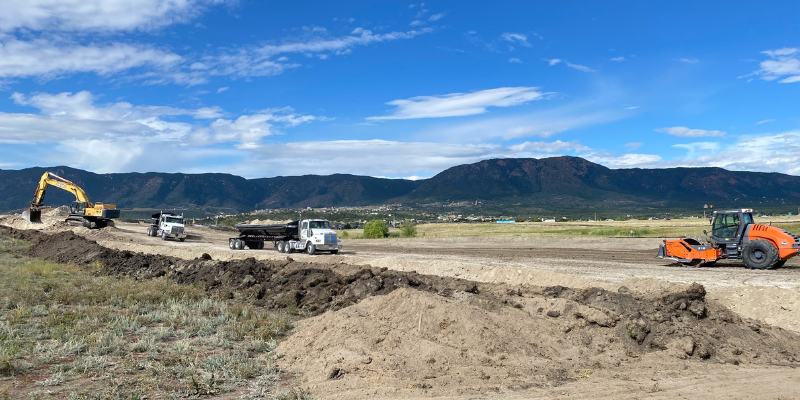
With demolition complete and environmental concerns addressed, contractors begin preparing the property itself. Rough grading reshapes the land, while final grading establishes proper elevations for future buildings, parking areas, and drainage systems. Soil compaction is often performed to improve stability and reduce the risk of future settling. Drainage improvements and erosion control measures may also be installed to protect both the site and neighboring properties during construction. These preparations create a safer, more reliable foundation for the work that follows. As the project moves closer to construction, surveyors establish building locations, contractors coordinate utility layouts, and access routes are planned for equipment deliveries and material storage. Taking time to organize these details before construction begins often improves efficiency throughout the entire project.
Overcoming Common Redevelopment Challenges
No two commercial properties are exactly alike, and redevelopment projects frequently encounter unexpected obstacles. Underground utilities that were never documented, changing soil conditions, weather delays, permit approvals, or specialized disposal requirements can all affect project schedules. Strong communication between demolition contractors, engineers, environmental consultants, surveyors, utility providers, and general contractors helps minimize disruptions. Addressing potential concerns early allows adjustments to be made before they become expensive problems later in the development process. Property owners also benefit from working with experienced professionals who understand how each phase connects to the next. A well-coordinated project reduces downtime and helps keep construction on schedule.
Why Early Planning Makes a Difference
Successful redevelopment depends on much more than removing an existing structure. Bringing demolition and site preparation specialists into the planning process early allows potential challenges to be identified before work begins. Existing utilities, environmental conditions, grading requirements, and material recovery opportunities can all be evaluated in advance, leading to more accurate project timelines and budgets. At Iron Mountain Demolition, based in Colorado Springs, CO, we understand that demolition is just one part of preparing a property for its next chapter. From responsible debris management to comprehensive site preparation, our team works to help owners and developers move confidently toward new construction. Contact Iron Mountain Demolition to discuss your upcoming commercial demolition and site preparation project and learn how thoughtful planning can help create a smoother redevelopment process.