Shutting your doors for a demolition project costs far more than the contractor’s invoice. Every closed day means lost revenue, disrupted customers, and staff sent home. For many businesses, that hidden expense dwarfs the demo bill itself. The good news? You often don’t have to close at all. With careful phased demolition on a commercial property, Iron Mountain keeps part of your building open while we work on the rest.
The Real Cost of Downtime
Downtime is the number that rarely shows up in an estimate. When a storefront goes dark, foot traffic drops and regulars find somewhere else to shop. Restaurants lose covers, retailers lose sales, and offices lose productivity. Factoring these losses into your planning changes the math quickly, and it’s exactly why our approach starts with keeping your operation alive throughout the project.
Phased Demolition Explained
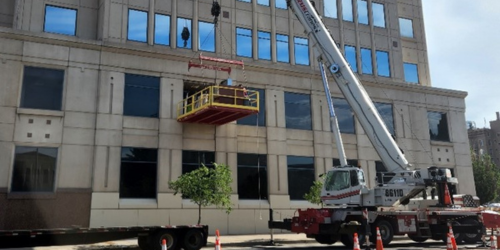
Phased demolition means working section-by-section instead of all at once. We seal off and tackle one area while the rest of your space stays operational. This is the heart of how we handle occupied buildings, and it draws on the same techniques covered on our Selective Remodel and Partial Structural Demolition pages. If you’re weighing options for a larger project, our Commercial vs. Residential Demolition guide explains why commercial jobs demand this level of planning.
Takeaway: Section-by-section work lets you stay open while the transformation happens around you.
Off-Hours and Overnight Scheduling
Sometimes the cleanest solution is working when you’re closed. We schedule loud or disruptive tasks for nights and weekends to avoid your business hours entirely. Colorado Springs noise rules shape this timing. Commercial zones cap sound at 60 dB during the day and 55 dB at night, though permitted construction projects are measured against the more generous industrial standard. We plan around these limits so your crew stays compliant and your neighbors stay happy.
Dust and Noise Containment
In a multi-tenant building, one messy phase can affect everyone nearby. We prevent that with layered containment. Temporary barriers wall off the work zone, negative air pressure keeps dust from drifting into occupied units, and sound-dampening materials soften the noise for adjacent tenants. These measures let a dental office, a café, and a demolition site coexist under one roof.
Takeaway: Proper containment protects your neighbors’ comfort and your reputation with the property owner.
Coordinating With Property Managers and Tenants
Smooth projects run on clear communication. We work directly with property managers and fellow tenants to set expectations early, sharing a timeline everyone can plan around. That includes mapping out shared parking, delivery access, and entry points so no one is caught off guard. This coordination matters most on Tenant Improvement Projects, where multiple parties share the same building. For tips on vetting the right partner, see our How to Choose a Demolition Contractor page.
Ready to Plan Your Phased Project?
You don’t have to choose between renovating and staying open. Iron Mountain designs each phase around your operations, helping you minimize downtime on your Colorado Springs renovation from day one. Request a phased demolition estimate today, and we’ll build a schedule that keeps your business running while the work gets done..